Blog

Popular Types of ADUs in Colorado: Which One is Right for You?
December 12, 2025
4 min read
Popular Types of ADUs in Colorado: Which One is Right for You?

Accessory Dwelling Units (ADUs) are one of the most popular ways to add value and functionality to your property in Colorado. But here’s the catch: not all ADUs are the same — and every city in the Denver metro area has its own definition and rules. Choosing the right type of ADU isn’t just a design decision; it affects your budget, permitting process, and timeline.

Let’s break down the most common ADU types you’ll see across Colorado and help you decide which one makes sense for your goals.

Attached ADU

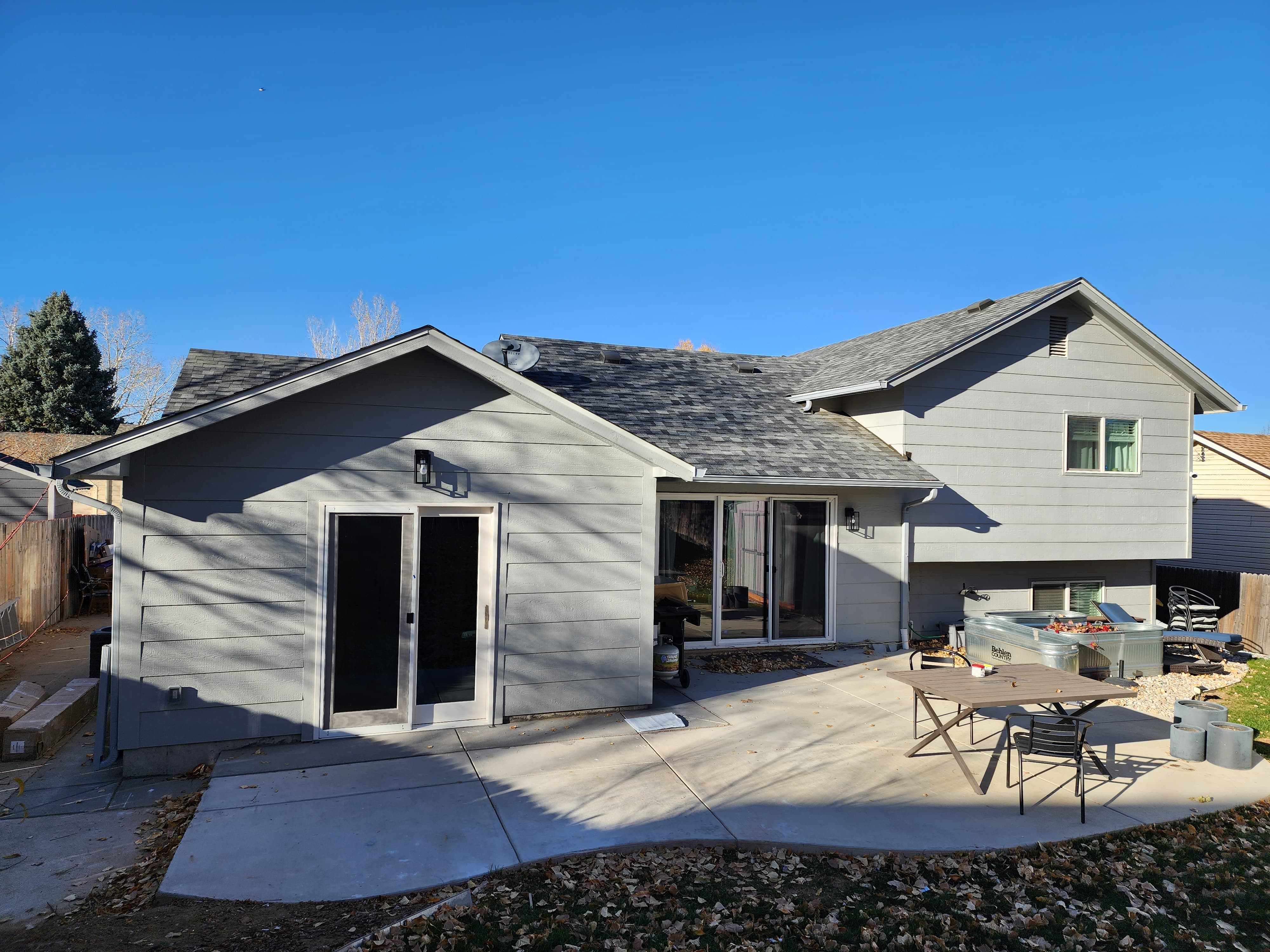
An attached ADU is located within or connected to your primary home, often as a basement apartment, garage conversion, or home addition.

Why homeowners love it:

More affordable than building a separate structure

Can share utilities with the main house

Perfect for in-laws, guests, or older kids

Attached ADUs are usually faster to permit but may face stricter fire separation, insulation, and utility requirements to meet code. Knowing these details upfront can save months in approvals and construction.

Detached ADU

A detached ADU is a separate building on your property — a small house, cottage, or converted garage.

Why homeowners love it:

Maximum privacy for tenants or family

Adds the most value to your property

Flexible design: from studios to two-story units

Detached ADUs must meet setback, bulk plane, and height requirements, and be located in the rear 35% of your lot. Some municipalities in Denver metro area require alley access for parking.

Garage Conversion ADU

If you have a detached garage with a solid foundation, converting it into an ADU can be a cost-effective solution. Reusing the existing structure means lower cost. This type of project can be completed faster than new construction.
However, many older garages don’t meet residential code for foundations or energy efficiency. Adding plumbing and insulation may be required, and our team can quickly tell you whether conversion makes financial sense.

Carriage Lot ADU

Some Denver properties qualify as “carriage lots”, which means parcels surrounded by alleys. These unique lots often allow for a detached ADU even when other zoning rules might restrict it. Carriage lot ADU makes use of otherwise underutilized property. It is a great for maximizing rental potential.

On the other hand, carriage lots are subject to special regulations. Knowing them before you design can help avoid expensive revisions.

Why Knowing the Rules Pays Off

Every municipality in Colorado categorizes ADUs differently. Some just say attached and detached, while others break them into more detailed types. Details like whether you add a separate entrance or build on a slab can change how your project is classified, how much you’ll spend on permits, and how long approvals will take.

Getting this wrong can cost you months or even force you to redesign your ADU.

Get Expert Help

We specialize in helping Colorado homeowners design, permit, and build ADUs that maximize ROI and minimize headaches.

Schedule your free consultation today.

Recent Posts

What You Should Know About the Cost to Build an ADU

What You Should Know About the Cost to Build an ADU

September 24, 2025
4 min read

Planning to build an accessory dwelling unit (ADU)? These additions are becoming increasingly popular among Denver residents and those in nearby areas. But before deciding on the type, size, and design, you should understand the cost to build an ADU.

The total price depends on many factors. In this article, we’ll break them down for you.

What Affects ADU Cost in Denver, Colorado

Before starting work, consider the following aspects.

  1.  Type of ADU

A detached ADU costs more. It needs its own foundation, utilities, and full construction.

An attached ADU is cheaper because it shares walls and utilities with the main home.

Garage ADU conversion cost can be reasonable, but in Denver, many garages need new insulated foundations. So these can still be expensive. 

  1. Size of the ADU

Bigger ADUs cost more due to more materials, labor, and permit fees. Even small ones need kitchens and baths, which are high-priced per square foot.

  1. Design, Finishes, and Site Prep

High-end finishes, custom layouts, or energy-efficient upgrades raise the price. Site work like grading, tree removal, or extra utility upgrades add unseen costs.

  1. Permits, Regulations, and Location

Denver now allows faster building of ADUs by right in many zones, including two-story units; this cuts time and cost. But permits, inspections, zoning, and other rules can still add thousands to the budget.

  1. Utility Connections

New, detached ADUs often need separate water, sewer, and electricity lines. This can get expensive. The cost to build an attached ADU home will be more pleasant, because all communications have already been installed.


Estimations for Denver Costs

A typical ADU in Denver costs between $230,000 and $310,000. Some projects run higher. Like a detached 600 sq ft ADU can cost in the high $300,000s. It is possible to build a small house for $150-170k. However, in this case, the layout and materials will be the simplest.

Garage ADU Conversion Cost Explained

Many people in Colorado keep renovating their garages. So let's talk specifically about the cost to build an ADU garage.

It is often more affordable than building from scratch, but expenses still vary:

  • Larger garages cost more to finish.
  • One-story garage - usually the most affordable to convert, starting around $140k+.
  • Two-story garage - higher cost, but adds valuable living space or rental potential.
  • Design and layout - adding kitchens, bathrooms, or lofts raises expenses.
  • Upgrades - insulation, plumbing, and electrical work are often required for older garages.

For a detailed estimate, you can reach out to Arch Design & Build.

Smart Ways to Cut the Cost to Build an ADU House

While your home extension is still in the dream stage, think about how you can reduce future costs. For example:

  1. Use Pre-Approved Plans. Ready-to-go designs make permitting faster and cheaper.
  2. Choose a Full-Service Builder. A team that handles design and construction helps avoid delays and extra spending.
  3. Stick to Essentials. Focus on what you really need instead of pricey custom features.
  4. Look Into Financing. Options like HELOCs or ADU loans can ease the budget.
  5. Plan Ahead. Careful scheduling and early decisions prevent pricey changes later.

On our website, you will find even more tips about construction and renovation in Denver and nearby areas. To discuss the future ADU on your property in more detail or to calculate the cost of construction, please contact us.

What is an ADU in Real Estate

What is an ADU in Real Estate

Learn what an ADU is in real estate, from garage conversions to DADUs. Compare ADU vs guest house, costs, benefits, and why ADUs add home value.
September 24, 2025
4 min read

An ADU, or Accessory Dwelling Unit, is a small, independent living space on the same property as a main home. It has its own kitchen, bathroom, and entrance - like a secondary home. People build ADUs for various reasons: to keep family close, generate rental income, or simply to have more room. From young adults to retirees, many see them as a smart housing solution.

Types of ADUs include:

  • Garage conversion ADU - turns an unused garage into a living space.
  • Basement ADU - turns a home's finished basement into a private apartment.
  • Detached ADU (DADU) - a stand-alone structure.
  • Attached ADU - built as part of the primary home, sharing at least one common wall.
  • ADU above the garage - a clever way to add space without reducing the yard.

For many families, an ADU makes daily life easier, adds future options, and brings new value to the home.

ADU vs DADU

An ADU can connect to the home, be made from existing space, or stand on its own. A DADU is always separate, like a backyard cottage. Both add value, but the best option depends on your space, budget, and goals.

Here are a few things to compare when looking at ADU vs DADU:

  1. Privacy - Detached units feel more private, great for guests or rentals.
  2. Cost - Conversions like basement or garage ADUs usually cost less than a new detached build.
  3. Space - DADUs need more lot space, while attached ADUs use existing areas.
  4. Design - Detached ADUs allow more custom design, while attached ones follow the main home’s layout.
  5. Purpose - For multigenerational living, either option works. For short-term or long-term rentals, a DADU often provides more independence.

An ADU investment property can be either type, depending on what brings the best return. Many homeowners choose detached units when they want maximum rental income potential.

ADU vs Guest House

When people are exploring options, a frequent point of confusion is the "ADU vs guest house" distinction. At first glance, they may seem the same. Both provide extra space for family or visitors. But in real estate, the definitions matter.

A guest house often lacks a full kitchen or may not meet the full building code requirements of a permanent residence. An ADU, by contrast, is a complete housing unit. It comes with its own entrance, bathroom, kitchen, and living space. This makes it suitable for long-term rental or independent living.

When you look at the ADU meaning in real estate, you’ll see why cities and states are updating zoning laws to allow more of them. ADUs provide a flexible solution for affordable housing, multigenerational living, and aging in place. A guest house can be nice, but it’s less flexible and not always officially recognized. That’s why many homeowners view an ADU as a smarter long-term choice. 

ADUs have also sparked comparisons like ADU vs addition. A traditional addition adds square footage to the main house, while an ADU creates a fully separate living unit. Both add value, but ADUs give you more options - like renting it out, offering privacy, or even selling the property later with greater appeal.

At Arch Design & Build, we’ve seen how ADUs transform properties. From backyard cottages to garage conversion ADUs, each project reflects the homeowner’s vision. An ADU can be your investment, your family’s retreat, or your step toward affordable housing solutions.

Ready to build your ADU? Let's build something great.

ADU Permit Guide Copy

ADU Permit Guide Copy

Getting a permit for an Accessory Dwelling Unit (ADU) can seem complicated—but with the right guidance, it’s manageable and well worth the effort. This guide walks you through each step, so you can get your project approved and underway with confidence.
May 24, 2025
4 min read

1. Check Zoning and Permits Before starting, confirm with your local building department whether your garage is eligible for conversion. Some cities require off-street parking or have restrictions for ADUs (Accessory Dwelling Units). Submit permit applications early to avoid delays.

2. Evaluate the Existing Structure Inspect the foundation, roof, framing, and slab for integrity. Many garages need insulation, waterproofing, or raised floors to meet building codes and comfort standards.

3. Design the Layout Think about how the space will function. Include living, sleeping, bathroom, and kitchenette zones as needed. Work with an architect or designer to optimize flow and meet code requirements (like egress windows and ceiling height).

4. Plan for Utilities You may need to extend plumbing, electrical, and HVAC from the main house. Tankless water heaters and ductless mini-splits are great options for compact garage conversions.

5. Insulate and Soundproof Proper insulation is essential for year-round comfort. Consider soundproofing if the unit will be used for sleeping or as a rental.

6. Add Doors and Windows Most garage conversions involve replacing the garage door with a wall and adding windows or patio doors for natural light.

7. Select Durable Finishes Choose flooring and materials that withstand traffic and moisture. Vinyl plank flooring, tile, and mold-resistant drywall are popular options.

8. Final Inspection and Occupancy After construction, the city will inspect the work. Once approved, you'll receive a certificate of occupancy.

Bonus Tips

  • Incorporate storage in creative ways
  • Keep exterior consistent with the main house
  • Consider solar or battery systems for efficiency

1. Check Zoning and Permits Before starting, confirm with your local building department whether your garage is eligible for conversion. Some cities require off-street parking or have restrictions for ADUs (Accessory Dwelling Units). Submit permit applications early to avoid delays.

2. Evaluate the Existing Structure Inspect the foundation, roof, framing, and slab for integrity. Many garages need insulation, waterproofing, or raised floors to meet building codes and comfort standards.

3. Design the Layout Think about how the space will function. Include living, sleeping, bathroom, and kitchenette zones as needed. Work with an architect or designer to optimize flow and meet code requirements (like egress windows and ceiling height).

4. Plan for Utilities You may need to extend plumbing, electrical, and HVAC from the main house. Tankless water heaters and ductless mini-splits are great options for compact garage conversions.

5. Insulate and Soundproof Proper insulation is essential for year-round comfort. Consider soundproofing if the unit will be used for sleeping or as a rental.

6. Add Doors and Windows Most garage conversions involve replacing the garage door with a wall and adding windows or patio doors for natural light.

7. Select Durable Finishes Choose flooring and materials that withstand traffic and moisture. Vinyl plank flooring, tile, and mold-resistant drywall are popular options.

8. Final Inspection and Occupancy After construction, the city will inspect the work. Once approved, you'll receive a certificate of occupancy.

Bonus Tips

  • Incorporate storage in creative ways
  • Keep exterior consistent with the main house
  • Consider solar or battery systems for efficiency

1. Check Zoning and Permits Before starting, confirm with your local building department whether your garage is eligible for conversion. Some cities require off-street parking or have restrictions for ADUs (Accessory Dwelling Units). Submit permit applications early to avoid delays.

2. Evaluate the Existing Structure Inspect the foundation, roof, framing, and slab for integrity. Many garages need insulation, waterproofing, or raised floors to meet building codes and comfort standards.

3. Design the Layout Think about how the space will function. Include living, sleeping, bathroom, and kitchenette zones as needed. Work with an architect or designer to optimize flow and meet code requirements (like egress windows and ceiling height).

4. Plan for Utilities You may need to extend plumbing, electrical, and HVAC from the main house. Tankless water heaters and ductless mini-splits are great options for compact garage conversions.