1. Check Zoning and Permits Before starting, confirm with your local building department whether your garage is eligible for conversion. Some cities require off-street parking or have restrictions for ADUs (Accessory Dwelling Units). Submit permit applications early to avoid delays.
2. Evaluate the Existing Structure Inspect the foundation, roof, framing, and slab for integrity. Many garages need insulation, waterproofing, or raised floors to meet building codes and comfort standards.
3. Design the Layout Think about how the space will function. Include living, sleeping, bathroom, and kitchenette zones as needed. Work with an architect or designer to optimize flow and meet code requirements (like egress windows and ceiling height).
4. Plan for Utilities You may need to extend plumbing, electrical, and HVAC from the main house. Tankless water heaters and ductless mini-splits are great options for compact garage conversions.
5. Insulate and Soundproof Proper insulation is essential for year-round comfort. Consider soundproofing if the unit will be used for sleeping or as a rental.
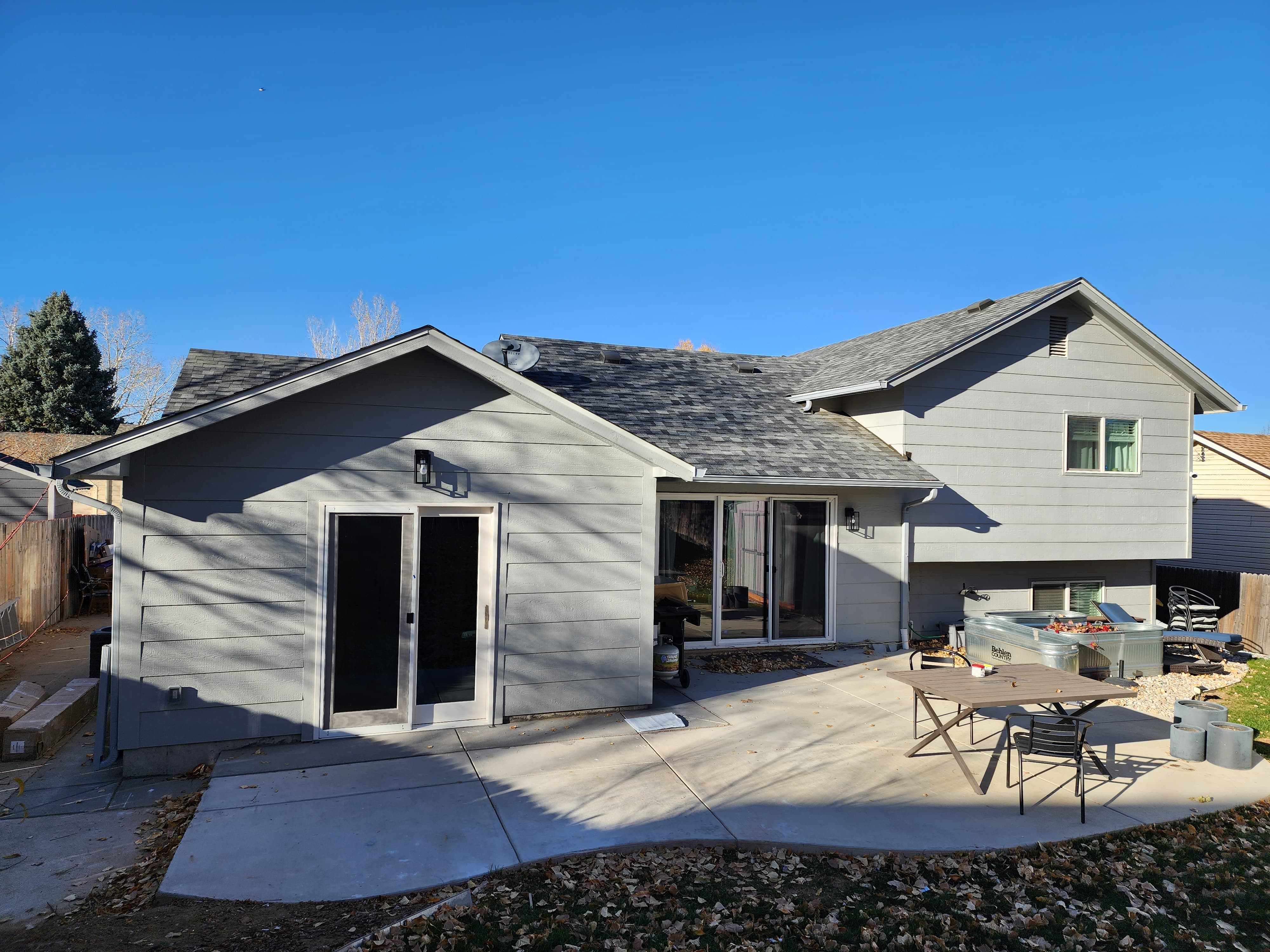
6. Add Doors and Windows Most garage conversions involve replacing the garage door with a wall and adding windows or patio doors for natural light.
7. Select Durable Finishes Choose flooring and materials that withstand traffic and moisture. Vinyl plank flooring, tile, and mold-resistant drywall are popular options.
8. Final Inspection and Occupancy After construction, the city will inspect the work. Once approved, you'll receive a certificate of occupancy.
Bonus Tips
- Incorporate storage in creative ways
- Keep exterior consistent with the main house
- Consider solar or battery systems for efficiency
1. Check Zoning and Permits Before starting, confirm with your local building department whether your garage is eligible for conversion. Some cities require off-street parking or have restrictions for ADUs (Accessory Dwelling Units). Submit permit applications early to avoid delays.
2. Evaluate the Existing Structure Inspect the foundation, roof, framing, and slab for integrity. Many garages need insulation, waterproofing, or raised floors to meet building codes and comfort standards.
3. Design the Layout Think about how the space will function. Include living, sleeping, bathroom, and kitchenette zones as needed. Work with an architect or designer to optimize flow and meet code requirements (like egress windows and ceiling height).
4. Plan for Utilities You may need to extend plumbing, electrical, and HVAC from the main house. Tankless water heaters and ductless mini-splits are great options for compact garage conversions.
5. Insulate and Soundproof Proper insulation is essential for year-round comfort. Consider soundproofing if the unit will be used for sleeping or as a rental.
6. Add Doors and Windows Most garage conversions involve replacing the garage door with a wall and adding windows or patio doors for natural light.
7. Select Durable Finishes Choose flooring and materials that withstand traffic and moisture. Vinyl plank flooring, tile, and mold-resistant drywall are popular options.
8. Final Inspection and Occupancy After construction, the city will inspect the work. Once approved, you'll receive a certificate of occupancy.
Bonus Tips
- Incorporate storage in creative ways
- Keep exterior consistent with the main house
- Consider solar or battery systems for efficiency
1. Check Zoning and Permits Before starting, confirm with your local building department whether your garage is eligible for conversion. Some cities require off-street parking or have restrictions for ADUs (Accessory Dwelling Units). Submit permit applications early to avoid delays.
2. Evaluate the Existing Structure Inspect the foundation, roof, framing, and slab for integrity. Many garages need insulation, waterproofing, or raised floors to meet building codes and comfort standards.
3. Design the Layout Think about how the space will function. Include living, sleeping, bathroom, and kitchenette zones as needed. Work with an architect or designer to optimize flow and meet code requirements (like egress windows and ceiling height).
4. Plan for Utilities You may need to extend plumbing, electrical, and HVAC from the main house. Tankless water heaters and ductless mini-splits are great options for compact garage conversions.
5. Insulate and Soundproof Proper insulation is essential for year-round comfort. Consider soundproofing if the unit will be used for sleeping or as a rental.
6. Add Doors and Windows Most garage conversions involve replacing the garage door with a wall and adding windows or patio doors for natural light.
7. Select Durable Finishes Choose flooring and materials that withstand traffic and moisture. Vinyl plank flooring, tile, and mold-resistant drywall are popular options.
8. Final Inspection and Occupancy After construction, the city will inspect the work. Once approved, you'll receive a certificate of occupancy.
Bonus Tips
- Incorporate storage in creative ways
- Keep exterior consistent with the main house
- Consider solar or battery systems for efficiency
1. Check Zoning and Permits Before starting, confirm with your local building department whether your garage is eligible for conversion. Some cities require off-street parking or have restrictions for ADUs (Accessory Dwelling Units). Submit permit applications early to avoid delays.
2. Evaluate the Existing Structure Inspect the foundation, roof, framing, and slab for integrity. Many garages need insulation, waterproofing, or raised floors to meet building codes and comfort standards.
3. Design the Layout Think about how the space will function. Include living, sleeping, bathroom, and kitchenette zones as needed. Work with an architect or designer to optimize flow and meet code requirements (like egress windows and ceiling height).
4. Plan for Utilities You may need to extend plumbing, electrical, and HVAC from the main house. Tankless water heaters and ductless mini-splits are great options for compact garage conversions.
5. Insulate and Soundproof Proper insulation is essential for year-round comfort. Consider soundproofing if the unit will be used for sleeping or as a rental.
6. Add Doors and Windows Most garage conversions involve replacing the garage door with a wall and adding windows or patio doors for natural light.
7. Select Durable Finishes Choose flooring and materials that withstand traffic and moisture. Vinyl plank flooring, tile, and mold-resistant drywall are popular options.
8. Final Inspection and Occupancy After construction, the city will inspect the work. Once approved, you'll receive a certificate of occupancy.
Bonus Tips
- Incorporate storage in creative ways
- Keep exterior consistent with the main house
- Consider solar or battery systems for efficiency
1. Check Zoning and Permits Before starting, confirm with your local building department whether your garage is eligible for conversion. Some cities require off-street parking or have restrictions for ADUs (Accessory Dwelling Units). Submit permit applications early to avoid delays.
2. Evaluate the Existing Structure Inspect the foundation, roof, framing, and slab for integrity. Many garages need insulation, waterproofing, or raised floors to meet building codes and comfort standards.
3. Design the Layout Think about how the space will function. Include living, sleeping, bathroom, and kitchenette zones as needed. Work with an architect or designer to optimize flow and meet code requirements (like egress windows and ceiling height).
4. Plan for Utilities You may need to extend plumbing, electrical, and HVAC from the main house. Tankless water heaters and ductless mini-splits are great options for compact garage conversions.
5. Insulate and Soundproof Proper insulation is essential for year-round comfort. Consider soundproofing if the unit will be used for sleeping or as a rental.
6. Add Doors and Windows Most garage conversions involve replacing the garage door with a wall and adding windows or patio doors for natural light.
7. Select Durable Finishes Choose flooring and materials that withstand traffic and moisture. Vinyl plank flooring, tile, and mold-resistant drywall are popular options.
8. Final Inspection and Occupancy After construction, the city will inspect the work. Once approved, you'll receive a certificate of occupancy.
Bonus Tips
- Incorporate storage in creative ways
- Keep exterior consistent with the main house
- Consider solar or battery systems for efficiency
1. Check Zoning and Permits Before starting, confirm with your local building department whether your garage is eligible for conversion. Some cities require off-street parking or have restrictions for ADUs (Accessory Dwelling Units). Submit permit applications early to avoid delays.
2. Evaluate the Existing Structure Inspect the foundation, roof, framing, and slab for integrity. Many garages need insulation, waterproofing, or raised floors to meet building codes and comfort standards.
3. Design the Layout Think about how the space will function. Include living, sleeping, bathroom, and kitchenette zones as needed. Work with an architect or designer to optimize flow and meet code requirements (like egress windows and ceiling height).
4. Plan for Utilities You may need to extend plumbing, electrical, and HVAC from the main house. Tankless water heaters and ductless mini-splits are great options for compact garage conversions.
5. Insulate and Soundproof Proper insulation is essential for year-round comfort. Consider soundproofing if the unit will be used for sleeping or as a rental.
6. Add Doors and Windows Most garage conversions involve replacing the garage door with a wall and adding windows or patio doors for natural light.
7. Select Durable Finishes Choose flooring and materials that withstand traffic and moisture. Vinyl plank flooring, tile, and mold-resistant drywall are popular options.
8. Final Inspection and Occupancy After construction, the city will inspect the work. Once approved, you'll receive a certificate of occupancy.
Bonus Tips
- Incorporate storage in creative ways
- Keep exterior consistent with the main house
- Consider solar or battery systems for efficiency