Accessory Dwelling Units (ADUs) are one of the most popular ways to add value and functionality to your property in Colorado. But here’s the catch: not all ADUs are the same — and every city in the Denver metro area has its own definition and rules. Choosing the right type of ADU isn’t just a design decision; it affects your budget, permitting process, and timeline.
Let’s break down the most common ADU types you’ll see across Colorado and help you decide which one makes sense for your goals.
Attached ADU
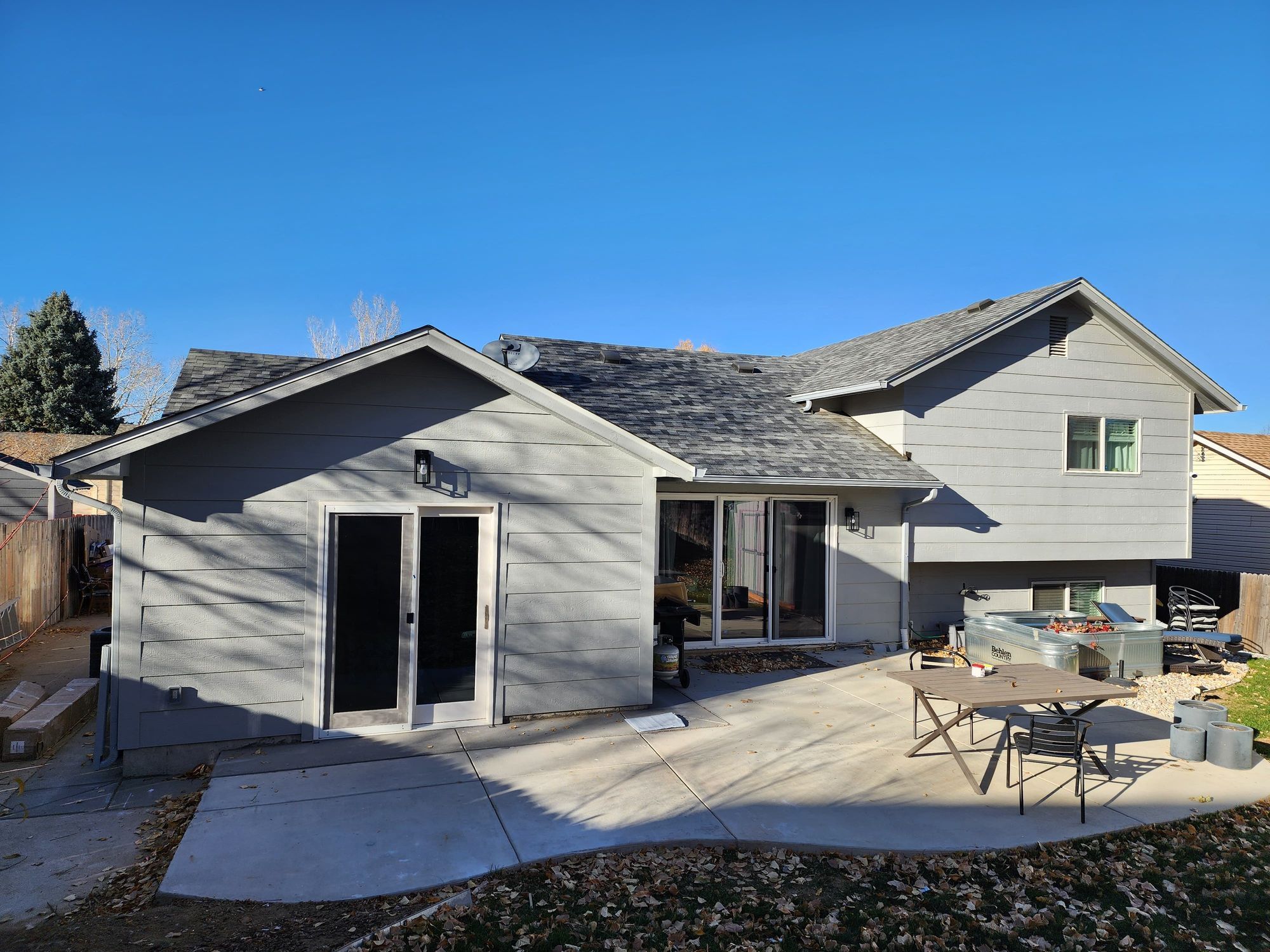
An attached ADU is located within or connected to your primary home, often as a basement apartment, garage conversion, or home addition.
Why homeowners love it:
More affordable than building a separate structure
Can share utilities with the main house
Perfect for in-laws, guests, or older kids
Attached ADUs are usually faster to permit but may face stricter fire separation, insulation, and utility requirements to meet code. Knowing these details upfront can save months in approvals and construction.
Detached ADU
A detached ADU is a separate building on your property — a small house, cottage, or converted garage.
Why homeowners love it:
Maximum privacy for tenants or family
Adds the most value to your property
Flexible design: from studios to two-story units
Detached ADUs must meet setback, bulk plane, and height requirements, and be located in the rear 35% of your lot. Some municipalities in Denver metro area require alley access for parking.
Garage Conversion ADU
If you have a detached garage with a solid foundation, converting it into an ADU can be a cost-effective solution. Reusing the existing structure means lower cost. This type of project can be completed faster than new construction.
However, many older garages don’t meet residential code for foundations or energy efficiency. Adding plumbing and insulation may be required, and our team can quickly tell you whether conversion makes financial sense.
Carriage Lot ADU
Some Denver properties qualify as “carriage lots”, which means parcels surrounded by alleys. These unique lots often allow for a detached ADU even when other zoning rules might restrict it. Carriage lot ADU makes use of otherwise underutilized property. It is a great for maximizing rental potential.
On the other hand, carriage lots are subject to special regulations. Knowing them before you design can help avoid expensive revisions.
Why Knowing the Rules Pays Off
Every municipality in Colorado categorizes ADUs differently. Some just say attached and detached, while others break them into more detailed types. Details like whether you add a separate entrance or build on a slab can change how your project is classified, how much you’ll spend on permits, and how long approvals will take.
Getting this wrong can cost you months or even force you to redesign your ADU.
Get Expert Help
We specialize in helping Colorado homeowners design, permit, and build ADUs that maximize ROI and minimize headaches.
Schedule your free consultation today.