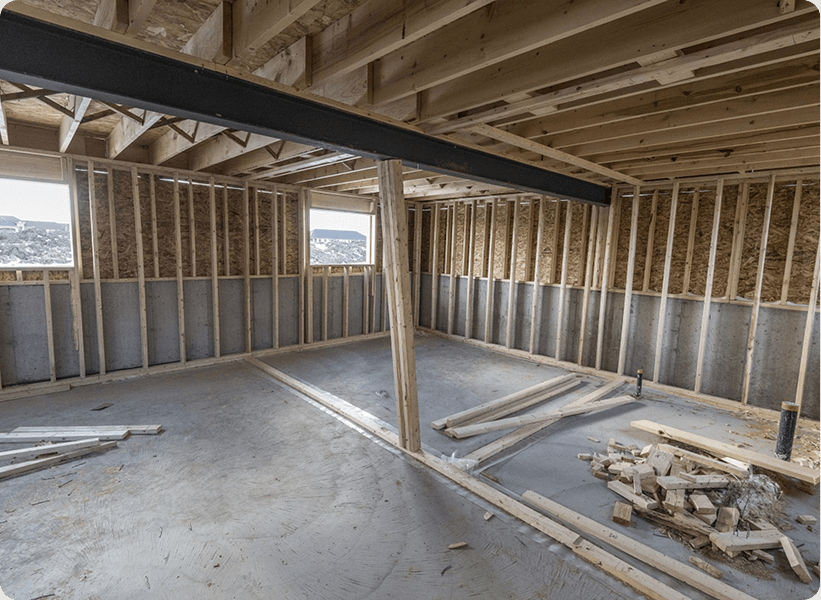

When you pull a permit for a home remodeling project, the inspector can require code compliance in parts of the house unrelated to the project. Gary Vasyliev, licensed general contractor and founder of Arch Design & Build, made this point in his comment for Redfin’s article How to Buy a Fixer-Upper: Costs, Loans, and Tips.
“Here’s what most buyers don’t expect: When you pull a permit for one room, the inspector can require you to bring other parts of the house up to current code. We recently had a client remodeling a bathroom in an older home, and the inspector wouldn’t sign off on final until smoke and carbon monoxide alarms were installed throughout the house. Budget for that kind of code catch-up before you buy, not after.”
The Redfin guide helps buyers decide whether a fixer-upper is worth the money. Its main advice is to judge a house by its structure and major systems (foundation, roof, wiring, plumbing and HVAC) rather than its cosmetic condition. Buyers should also get inspections and itemized contractor estimates before making an offer, and set aside 10–20% of the renovation budget for surprises. The guide also compares renovation financing, including FHA 203(k), Fannie Mae HomeStyle, Freddie Mac CHOICERenovation, and VA and USDA programs, which let eligible buyers roll repair costs into a single loan.
Check out the recent article we were featured in with Redfin, Powered by Rocket:
Buying a fixer-upper can be an opportunity to purchase a home at a lower price and make it your own. But a home that needs work can also come with unexpected expenses, lengthy renovations, and financing challenges.
Whether you’re looking at an older home in Portland, OR or a property that needs updating in Raleigh, NC, here’s what to know to make an informed decision that works for you.
Read the full article: How to Buy a Fixer-Upper: Costs, Loans, and Tips | Redfin